Most self-defense classes prepare you for the stranger in the parking lot. He exists. But the numbers tell a different story — roughly eight in ten sexual assault survivors knew their attacker before it happened. The myth is the man in the bushes. The reality is the man at the table.
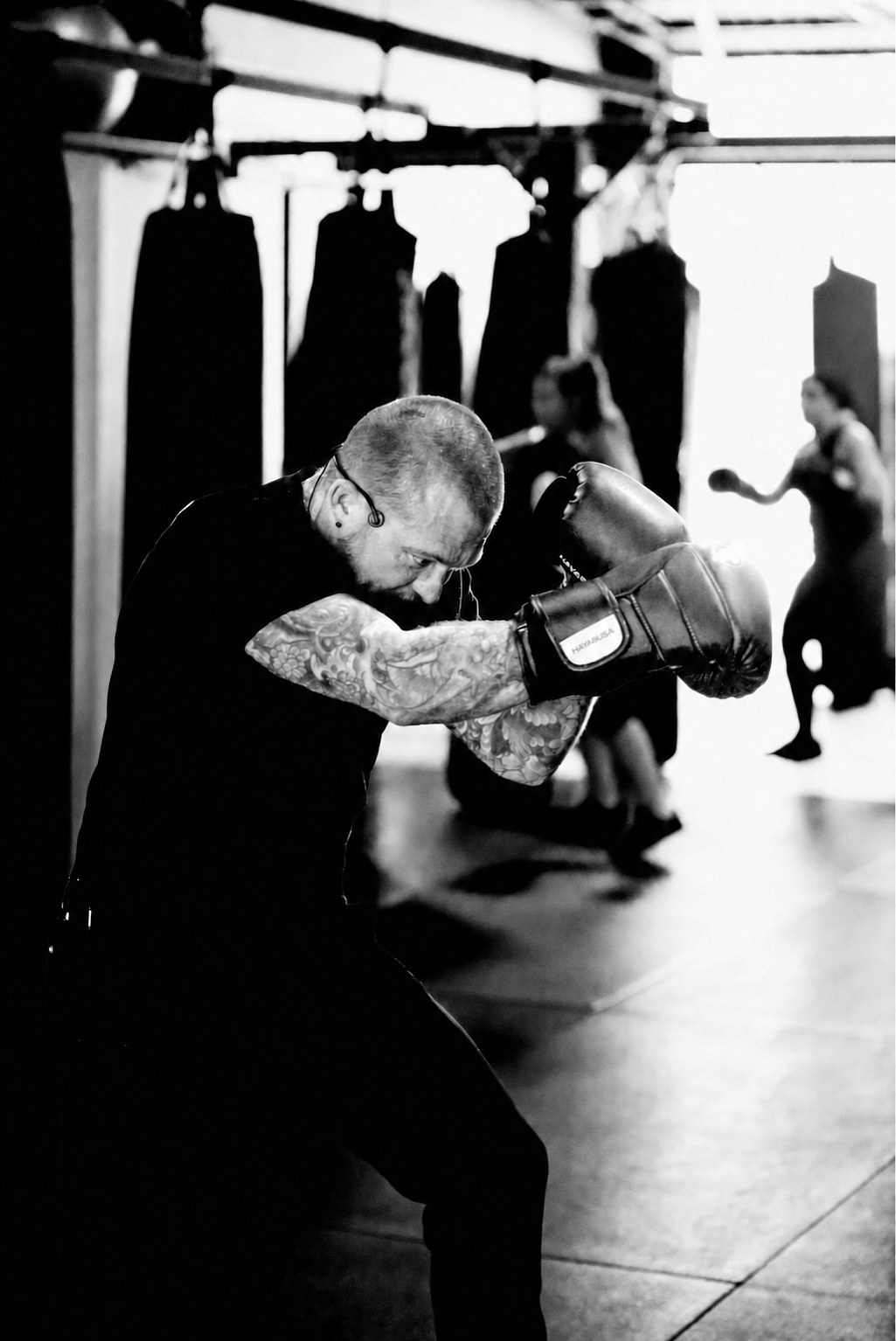
I've trained martial arts for over thirty years, and one truth keeps resurfacing: the threat people prepare for is rarely the threat they actually face. Wrist escapes against an imaginary attacker in a hoodie are theater. Real protection needs a framework that matches real life — which is why I built something called the Hero Handshake.
Five layers of protection, mapped to the five fingers of the hand you already know better than anything else you own. No flashcards. No memorization drills. Just a tool you're always carrying.
This isn't paranoia. It's noticing what's actually happening before a situation escalates — who's in the room, what normal looks like in this space, the body language of the people you came with, especially the one you came with. Your nervous system picks up on signals before your conscious mind catches up. Awareness just means listening to that signal early enough to act on it.
The index finger points. That's what confidence does — it establishes where you stand and what you won't tolerate. Not aggression. Posture and presence, set before anyone in the room has decided what to think of you. People looking to exploit others read body language faster than they read words, and a confident posture costs nothing to carry.
This is the layer most self-defense training skips, even though it defuses more confrontations than any strike ever will. Kindness here is strategic — a calm, clear, low-pitched voice; words that buy distance and de-escalate without giving up ground. It works because it shifts the energy of an encounter instead of feeding it.
This is where most classes start, and it should only come after the first three have done their work. Power is the strike, the escape, the technique you use once words have failed. We teach the physical defenses and the commitment behind them — hesitation is what gets people hurt, not the technique itself.
The hardest layer. Mercy means disengaging once you've created space — not staying to prove a point, not escalating further. For a lot of men that fights instinct. For a lot of women it runs into guilt or false hope. But the real goal was never winning the fight. It's getting out and going home.
I've taught this framework to beginners who walked into a workshop anxious and walked out with a roadmap they could actually use under stress, because it lives on something they already carry. That's what self-defense training should have been doing from the start — training for the fight you're actually likely to face, not the one built for a movie screen. One hand. Five fingers. Five layers. Carry it everywhere.
Want to build this framework into muscle memory instead of just reading about it? Come train it with us — check the current class and seminar schedule.